Logistics and Transportation Equipment, Other In-Demand Machinery
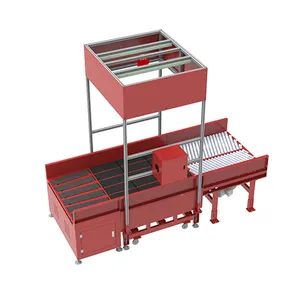
Express&Logistics Center Parcels Singulator/Singulation Equipment
A Singulator, also called Singulation Equipment, is a mechanized system used in logistics and parcel handling centers to separate bulk or grouped parcels into single-file lines. This is essential for downstream processes like dimensioning, weighing, scanning (DWS), and sorting, which require individual item handling.
It is a key component in high-speed automated logistics systems, especially in express delivery hubs and e-commerce fulfillment centers.
Purpose of Parcel Singulation
-
Converts chaotic or bulk flow into a controlled, single-lane flow.
-
Ensures parcels can be individually scanned, measured, and sorted.
-
Increases automation efficiency, reduces errors, and minimizes manual handling.
How It Works
Singulators typically use a combination of mechanical belts, rollers, sensors, and control algorithms to:
-
Accept bulk parcels from an inbound conveyor or dump station.
-
Detect and identify the orientation and spacing of each parcel.
-
Align and separate each parcel into a single-file line using:
-
Narrowing conveyor lanes
-
Diverting rollers or belts
-
Acceleration/deceleration zones
-
-
Transfer the singulated parcels to the DWS system or sortation lines.
Types of Singulators
-
Belt Singulators – Use variable-speed belts to control spacing and alignment.
-
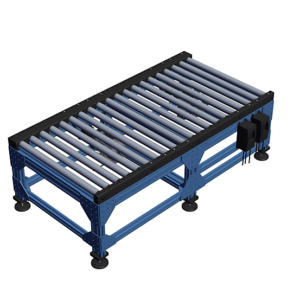
Roller Singulators – Use angled or powered rollers to orient and separate items.
-
Modular Singulation Units – Often configurable for different parcel types and sizes.
-
Intelligent Vision-Based Singulators – Use camera systems and AI for enhanced control of irregular or lightweight items.